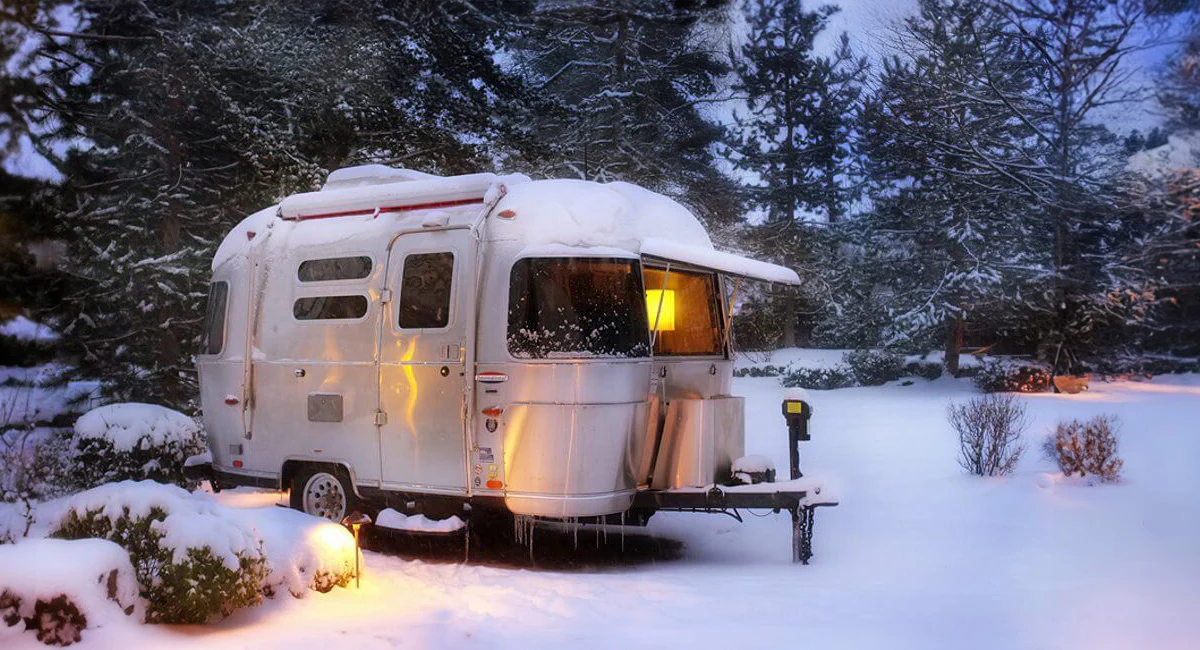
As the chilly winds of winter approach, it’s time to think about preparing your camper or RV for the colder months. Whether you’re planning to store it away until spring or continue using it for winter adventures, proper winterization is key to keeping your vehicle in top shape. Here’s a casual guide to help you winterize your camper or RV effectively.
Why Winterization is Important
Winterizing your camper or RV is crucial to prevent damage from freezing temperatures, moisture, and pests. Without proper preparation, you could face costly repairs come springtime. By taking the time to winterize, you ensure that your vehicle remains in good condition and is ready for your next adventure.
Steps to Winterize Your Camper or RV
-
Drain and Protect the Water System
-
Start by draining all water tanks, including the fresh water tank, grey water tank, and black water tank. Open all faucets and flush the toilet to ensure all water is out of the system.
-
Use RV antifreeze to protect your plumbing. Pour it into the drains and toilet to prevent any remaining water from freezing and causing damage.
-
Seal and Secure
-
Inspect all seals and seams on your camper or RV. Look for any cracks or gaps and seal them with a weather-resistant sealant to prevent moisture and pests from entering.
-
Ensure windows and doors are properly closed and locked. Consider using moisture absorbers inside to prevent condensation and mold.
-
Battery Care
-
Remove the battery and store it in a warm, dry place. If you plan to use your RV during winter, ensure the battery is fully charged and check it regularly.
-
Tire Maintenance
-
Inflate your tires to the recommended pressure to prevent flat spots. If storing your RV, consider using tire covers to protect them from the elements.
-
Interior Preparations
-
Clean out the interior, removing any food items that could attract pests. Leave cabinet doors open to allow air circulation.
-
Consider using rodent repellent products to keep critters at bay.
-
Exterior Protection
-
Wash and wax the exterior to protect the paint. If storing outdoors, consider using a breathable RV cover to shield it from snow and ice.
By following these steps, you can ensure that your camper or RV is well-protected during the winter months. This not only helps maintain its condition but also gives you peace of mind knowing that your vehicle is ready for your next journey.
If you have any questions or need further assistance with winterizing or insuring your camper or RV, feel free to reach out to our agency. We’re here to help you keep your adventures rolling smoothly, no matter the season!
Disclaimer: This article is for informational purposes only and should not be considered as professional advice. Please consult with a qualified insurance professional and your owners manual for specific guidance tailored to your situation. This information is current as of the publication date.